

Before You Plant a Single Native: How to Properly Prepare Your Site
Author: Jay Shelling
Date Published: 19.12.2025
Approximate Reading Time: 6 Minutes
Designing a native or low-maintenance garden isn’t just about choosing the right plants or curating the perfect Pinterest board.
It begins long before the first plant goes into the ground.
For Mornington Peninsula homes, the success of your garden rests on something deceptively simple: the way you prepare your site.
Good soil preparation supports deep roots, strong plant growth, and that relaxed native look homeowners love. Skip this step, and even the toughest native plants can struggle.
This guide walks you through the simple steps that set your garden up for decades of health, beauty, and effortless living.
Why Proper Site Preparation Matters More Than You Think
We hear it often: “My garden’s full of native plants, so it should be low maintenance.”
But even low maintenance gardens rely on foundations that support healthy root systems, good drainage, and resilient soil structure.
In new builds, especially across the Mornington Peninsula, the top layer of soil is often scraped away or left exposed throughout construction. By the time planting begins, the soil has dried out, compacted, and lost vital organic matter. This impacts everything from water retention to how plant roots develop during their critical first summer.
Before choosing plant babies, picking out kangaroo paws or shopping at the garden centre, preparing your existing soil is the most important step you’ll take.
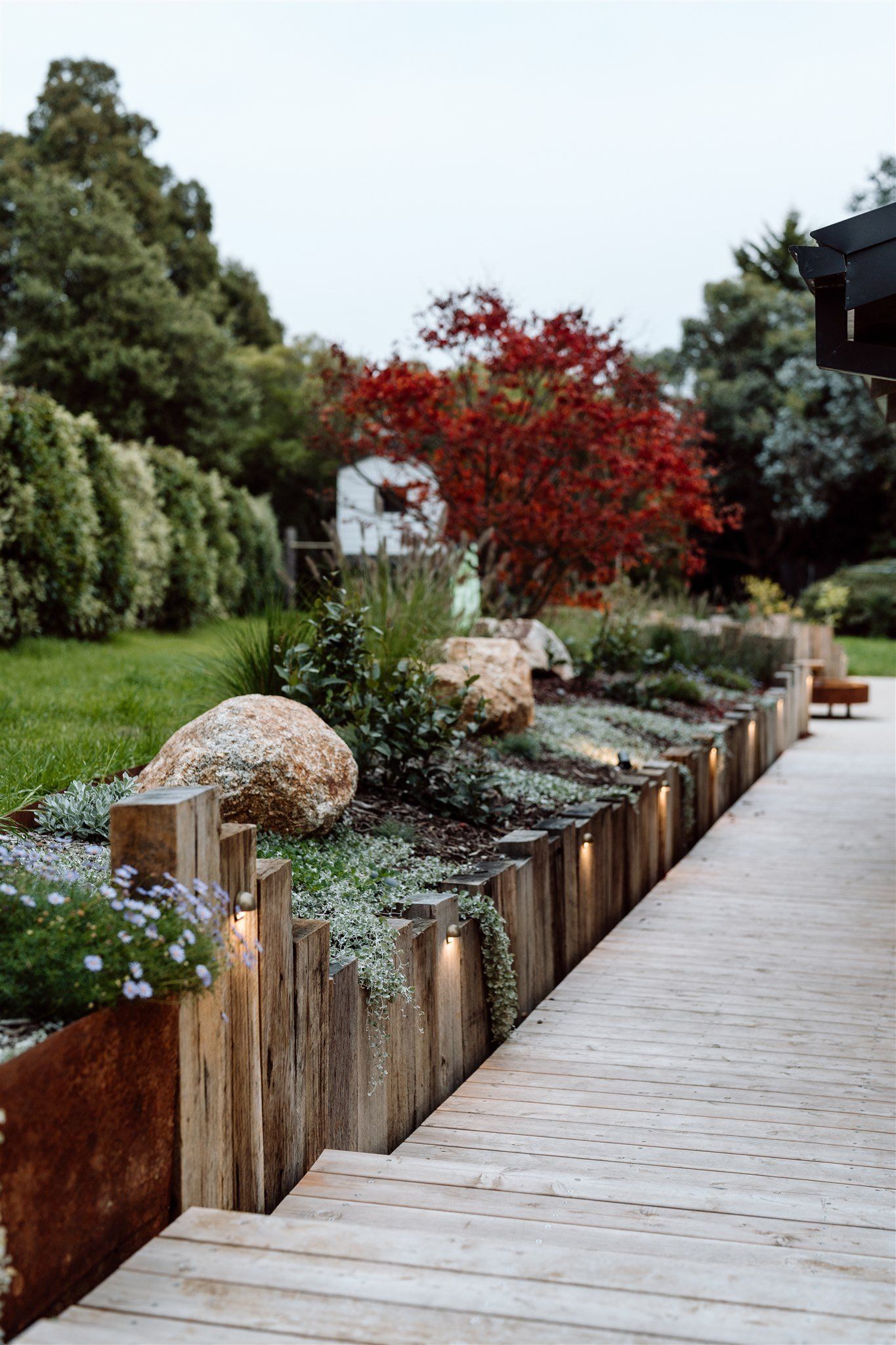
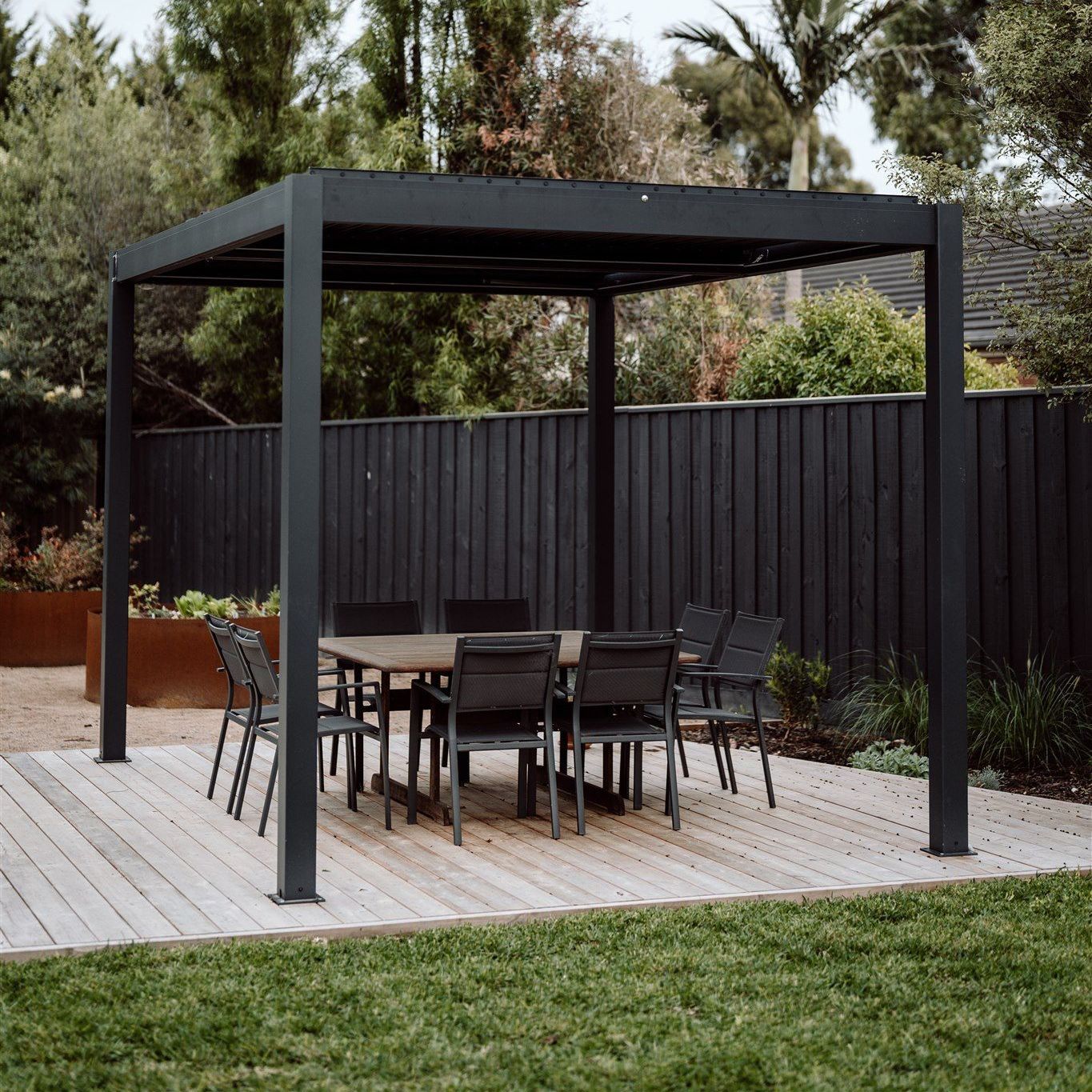
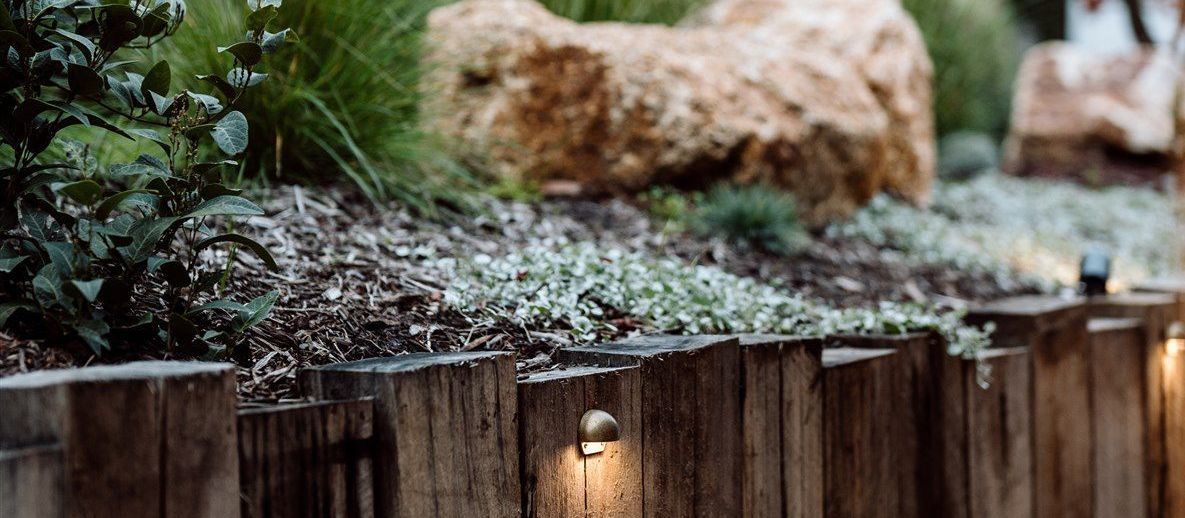
Below: Image by Flo Landscapes | Warranwood
Step 1: Get On Top of Weed Control Early
One of the biggest mistakes we see is leaving weed growth until the very end. You may spray once and assume the job’s done, but the seed bank beneath the soil remains active. Left unmanaged, these seeds become a lifelong battle for homeowners.
Effective weed control looks like:
- Removing existing weeds thoroughly (not just spraying and hoping).
- Avoid leaving your soil bare for long periods; this encourages new weed growth.
- Applying a layer of mulch or temporary groundcovers to protect soil conditions during the build.
A clean start makes it easier for native plants and groundcovers to establish deep roots without competition.
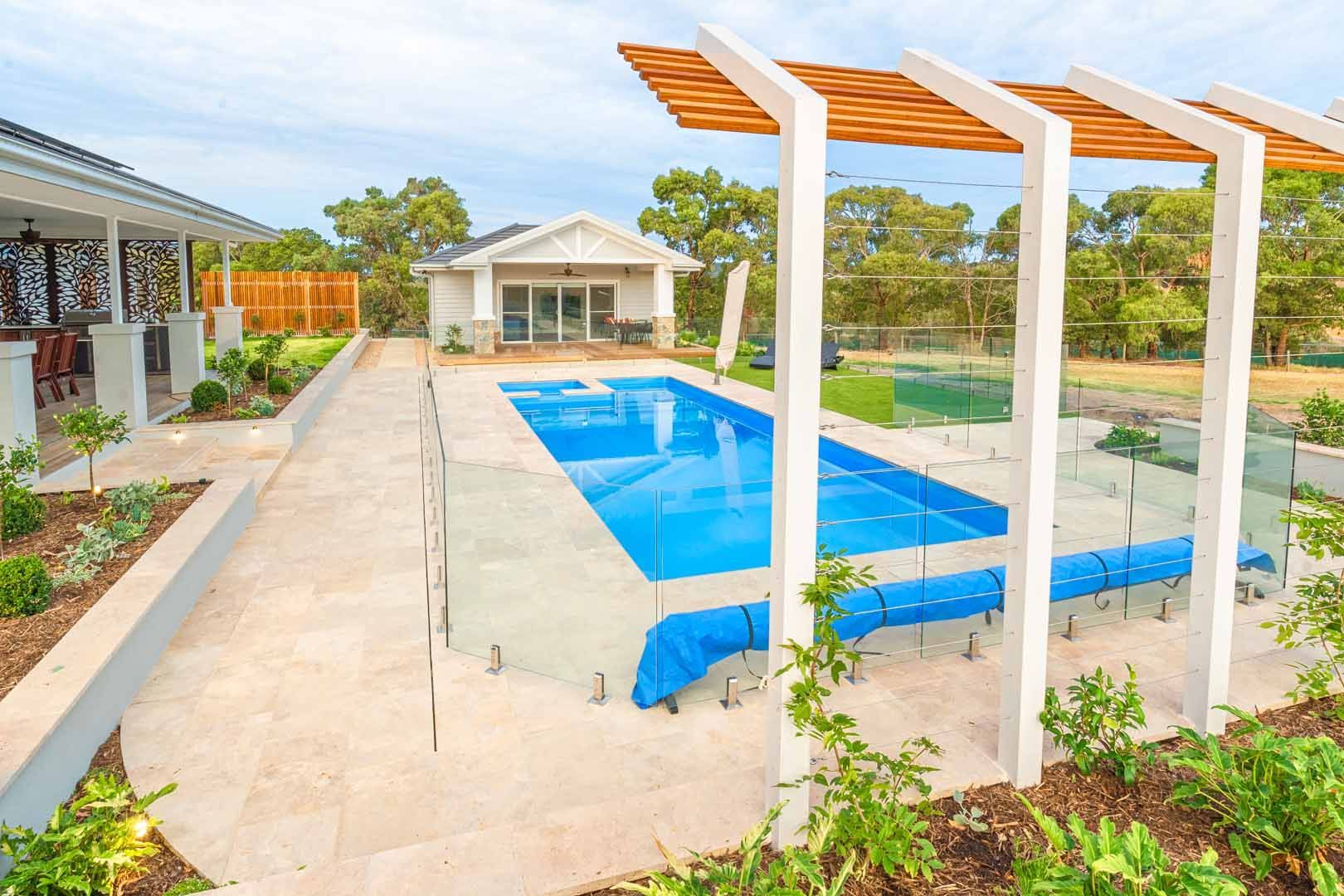
Below: Image courtesy Flo Landscapes
Step 2: Understand Your Soil Type Before Planting
Your soil type is the base layer of your garden design. Across Melbourne, you’ll find everything from light sandy soils to dense clay pockets. Each demands a different approach. During construction, topsoil is often removed and replaced with poor-quality fill. If your existing soil is good, consider preserving it on site.
Ask yourself:
- Does my soil compact easily?
- Does it drain well after rain?
- Is it drying out quickly?
- Does it need soil improvement before planting?
Healthy soil structure is essential for strong root growth. You want plant’s roots to explore the soil freely, not fight against hard, dry or waterlogged conditions.
Step 3: Improve the Soil Before You Plant
Native gardens thrive in soil that is stable, well-drained and enriched with organic matter, but not over-fertilised.
To prepare your soil:
- Blend organic matter or soil conditioner through the planting areas.
- Add a wetting agent if your soil is hydrophobic (common in sandy coastal soils).
- Use a slow-release fertiliser lightly because natives don’t like too much feeding.
- Avoid synthetic soil amendments that can overwhelm native plants.
- Protect the soil with a layer of mulch to retain water and stabilise temperature.
This step strengthens the root zone and helps new plants settle in quickly.
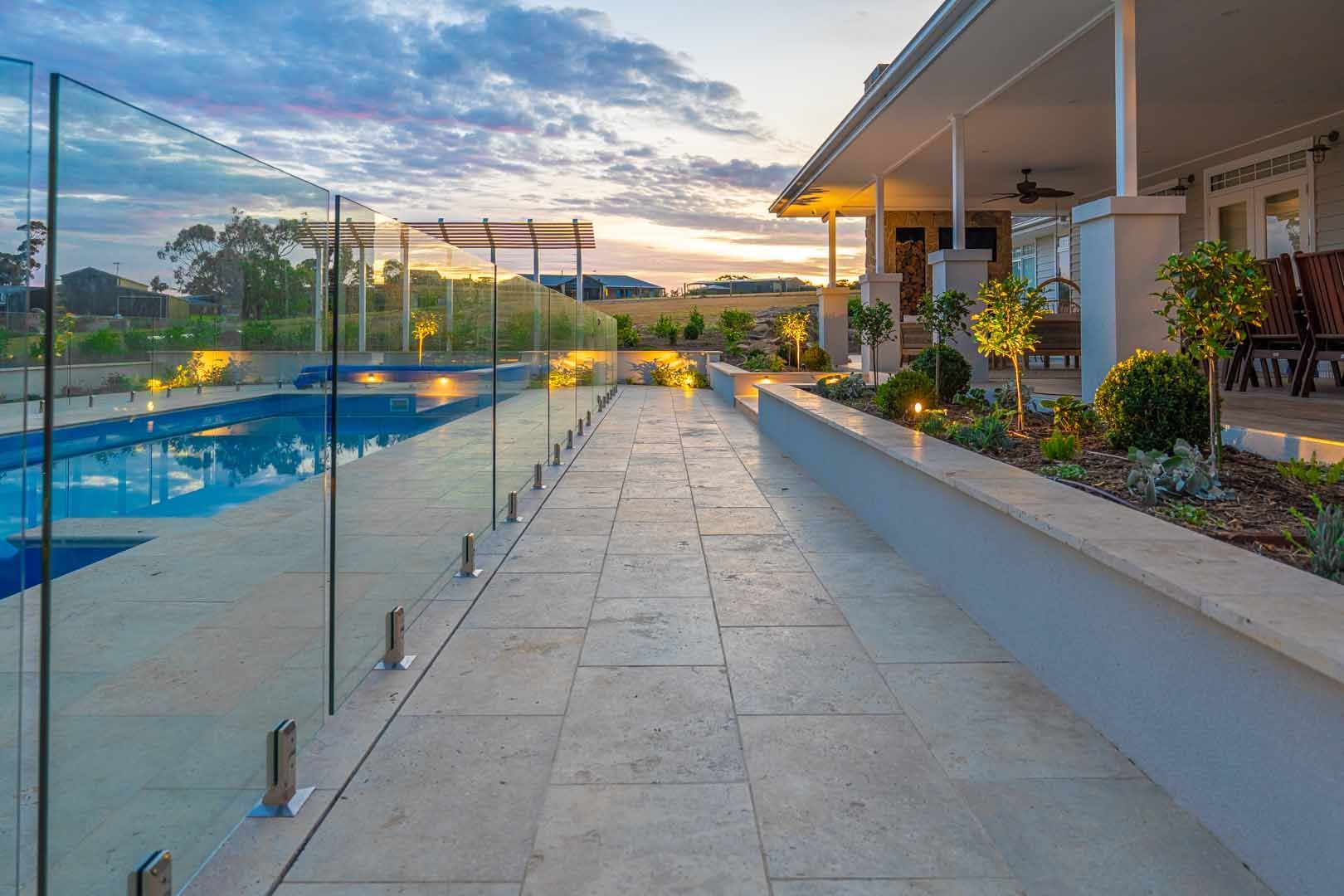
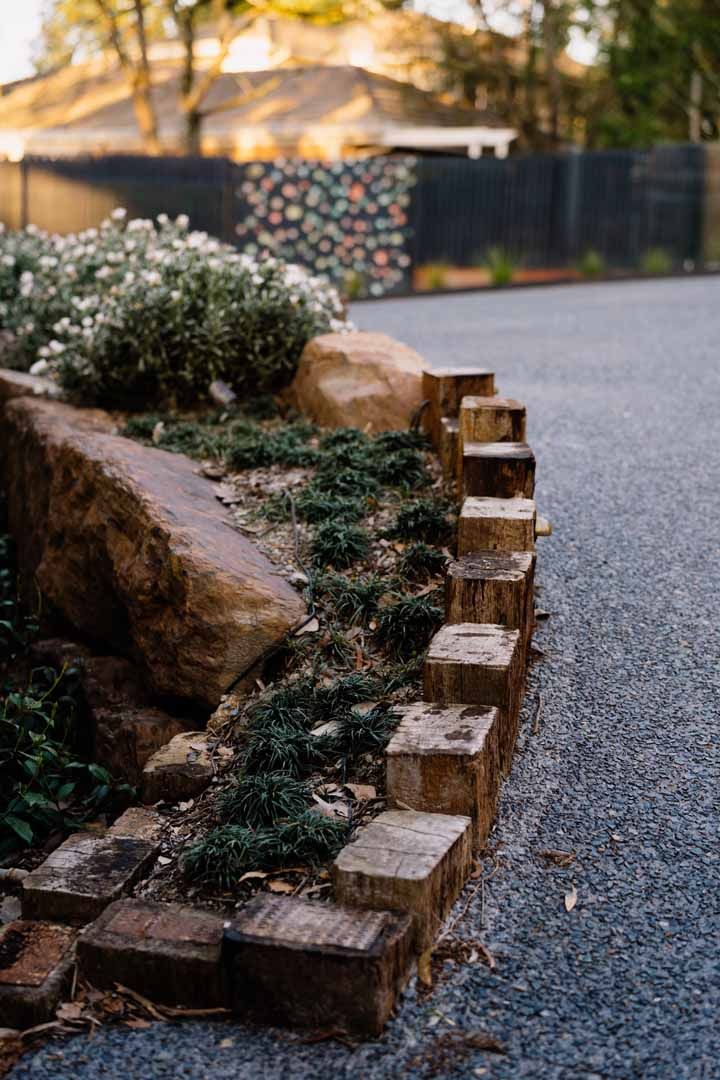
Below: Image Langwarrin
Step 4: Plan Access for Machinery and Soil Early (Before the House Goes Up)
This is one of the most overlooked but crucial steps for homeowners.
If you’re renovating or building new, think ahead:
- Do you need fresh soil brought into the backyard?
- Will machinery need to access tight spaces?
- Will the garage or fence restrict movement later?
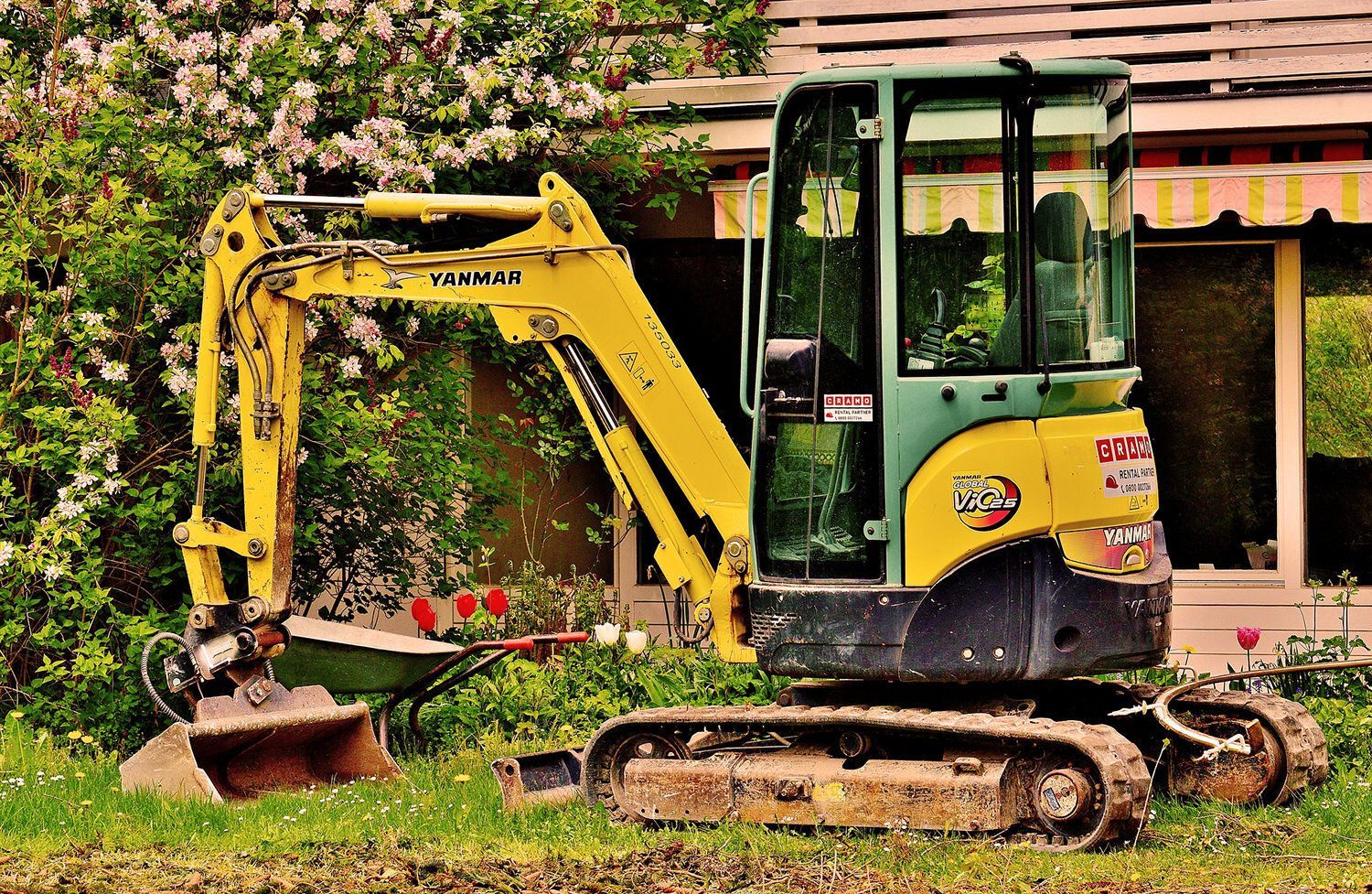
Many clients discover too late that large machines can’t reach the rear of the property, making soil improvement far more expensive. Planning early saves time, cost, and stress.
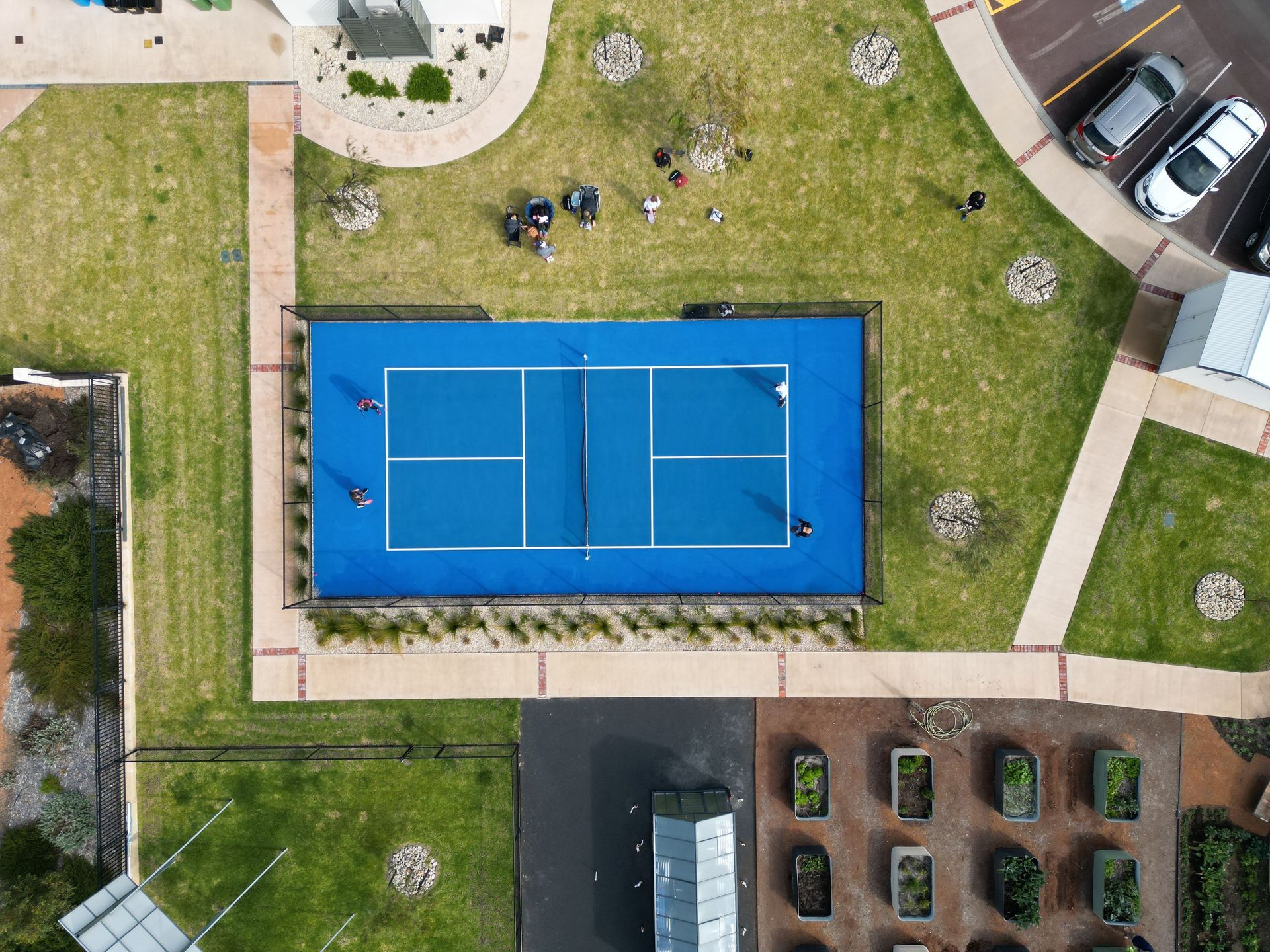
Below: Image Warranwood
Step 5: Keep the Ground Covered During the Build
Bare soil is vulnerable soil.
When left exposed, it dries out, erodes, loses beneficial bacteria and becomes harder for water to penetrate. A simple layer of mulch or temporary groundcovers protects your soil level and enhances water retention.
Tip: Even leaving leaf litter on the ground during certain phases can help stabilise soil conditions until planting begins.
Step 6: Check Your Drainage and Grading Before Planting
Good drainage is a non-negotiable for most local native plants. Most indigenous plants prefer free-draining soil that encourages deep watering and strong root development.
Before planting:
- Ensure water flows away from the home.
- Check that puddles aren’t forming where key plants will go.
- Adjust grading if needed to prevent them getting waterlogged.
Even the hardiest native will struggle if its root ball sits in wet soil for too long.
Below: Planting at Langwarrin
Step 7: Prepare Each Planting Hole With Care
This is where the magic starts.
When planting:
- Place the root ball at the correct soil level: not too low, not too high.
- If the plant is root bound, gently tease the plant’s roots apart.
- Tip-prune shrubs to encourage bushier growth.
- Avoid over-digging; disturb only the root zone you need.
- Water deeply after planting to help roots settle.
This step ensures your new plants have the best start.
Step 8: Choose the Right Plants for Your Soil, Light and Lifestyle
Native gardens work best when you match your plant selection to your unique growing conditions.
Consider:
- Full sun vs shade
- Soil type (clay, sandy, loam)
- Moisture levels
- Maintenance preferences
If you’re unsure, plant labels and knowledgeable team members at your local garden centre can help guide you (but a designer will understand how the whole garden works together).
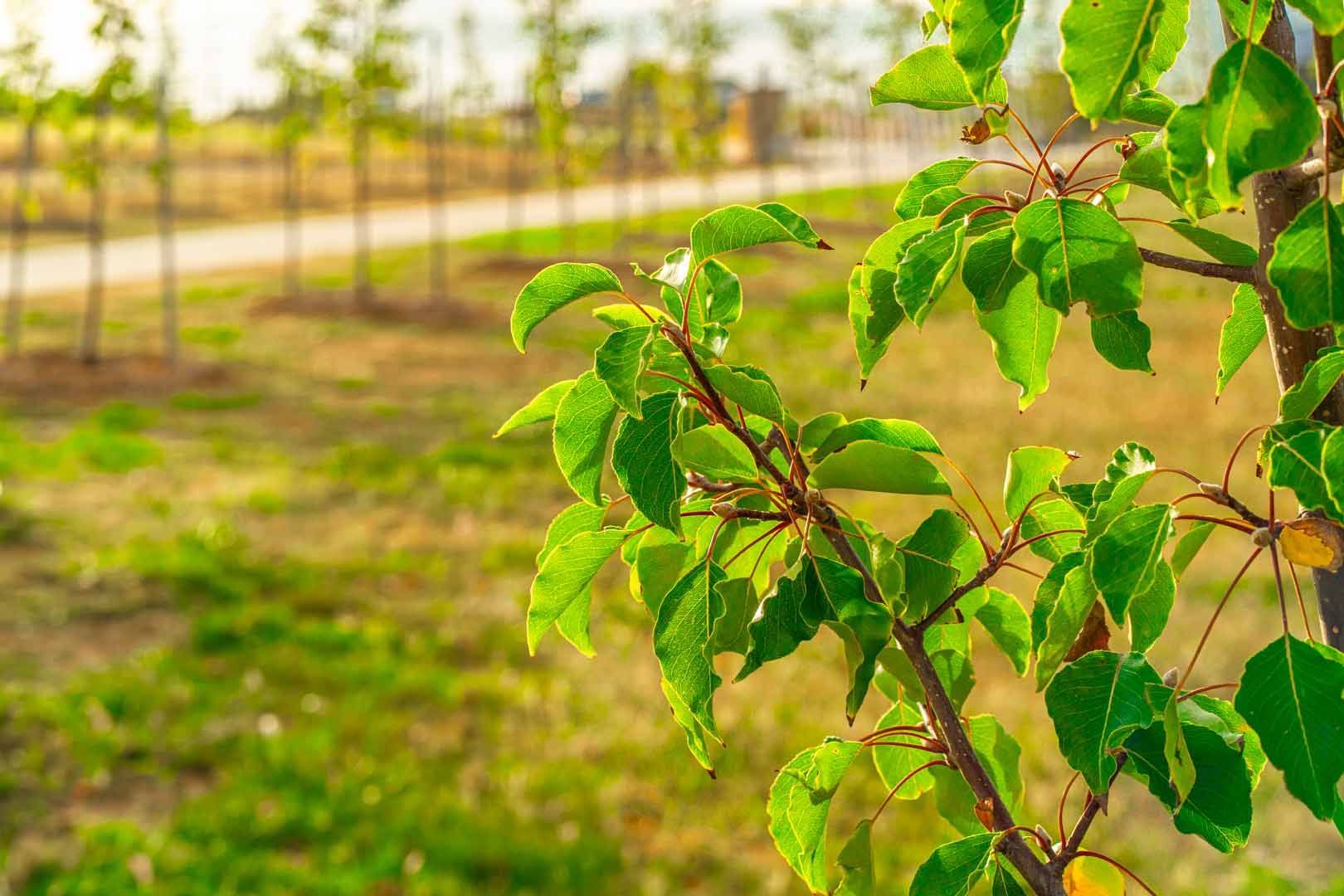
Below: Maples at Warranwood
Step 9: Plant at the Right Time for Best Results
Timing affects everything.
The best time to plant a native garden in Melbourne is:
- Early spring, when soil warmth encourages deep roots
- Early autumn, giving roots time to establish before the first summer
Avoid planting in peak summer. Even the toughest natives can suffer when their young root system is still shallow.
Deep watering early on helps your plants become resilient and self-sufficient.
Top Tips for a Low-Maintenance Native Garden That Thrives
- Prepare your soil with intention. This is where low maintenance truly begins.
- Plan early in the building process, not after.
- Use organic mulch to protect soil structure and reduce weed growth.
- Choose right plants that suit your soil and aspect.
- Remember: low maintenance doesn’t mean no maintenance. A little care (i.e. a seasonal prune, a deep water, a check on soil pH) goes a long way.
- Most importantly, enjoy connecting with your garden. Spending time outdoors offers proven benefits and strengthens your relationship with the space you’ve created.
When to Bring in a Professional
A landscape designer adds immense value when involved early.
From soil preparation and drainage advice to garden design that complements your home, early collaboration prevents costly mistakes later.
If you're building or renovating on the Mornington Peninsula, involving a designer before the slab goes down ensures your garden vision has room to come to life.
Below: Fire pit at Paratea.
Ready To Begin? Here’s the First Step Toward Your Dream Garden
The most successful projects begin early. Engaging Flo Landscapes during your build allows us to collaborate directly with your architect and builder, ensuring every structural and design decision supports the landscape.
Here’s how to begin:
- Book a
design consultation with our team
- Share your site plans, design concepts and inspirations
- Discuss how you want to live outdoors, whether it’s for entertaining, relaxation or family life
Our team will guide you through each stage with clarity and creativity. The process is refined, efficient and enjoyable from start to finish.
27 Pages That Will Inspire Your Backyard Makeover
Ready to take the stress out of landscaping your new build?
We’ve created a practical, easy-to-follow 27-page resource for homeowners on the Mornington Peninsula planning a pre-build landscaping project.
Whether it’s your first time, or you’re after a more strategic approach this time around, this guide will help you:
- Understand key timeframes in the design process
- Coordinate with your builder and construction team
- Avoid the most common (and costly) landscaping mistakes
- Prioritise high-quality, functional features from day one
- Plan with confidence using industry-backed best practices
We craft high-quality outdoor spaces that feel timeliness across the Mornington Peninsula. Our designs are site-specific and executed with meticulous attention to detail.
Our approach blends professional landscape design with expert construction to achieve exceptional results.
Take the first step toward your dream garden. Book your design consultation today and experience how Flo Landscapes can transform your property into a work of art.
Want to see what’s possible?
Let’s talk
about how we can bring your garden and home into harmony.
FAQs
🌍 Have you heard about Rammed Earth Walls?
High-end architects obsessed with this ancient wall technique?
🪷 We service all across the Mornington Peninsula
Mount Eliza’s boldest properties start with a landscape designer.
🇦🇺 Want a low-maintenance, no-fuss garden?
Native gardens are quietly becoming the most luxurious choice on the Peninsula.
💡 Not sure where to start?
🧑🌾 Avoid the chaos of juggling trades - our team handles everything.
📑 Planning a garden? These complimentary tools will save you time and money
Flo Landscapes Design Consult. We'll Show You How To Create A Beautiful, Low-Maintenance Garden In The Peninsula
Our complimentary design consult is made for garden lovers:
- No More Guesswork – Avoid costly mistakes. We give you a structured plan that works for your specific space.
- Receive Clarity on Specifics - Budget + timeline so you can plan ahead
- Designed for Busy Homeowners – Love your garden without having to babysit it every weekend.
- Aesthetic + Functionality Combined – Every plant, pathway, and feature is placed with purpose—so your space is both beautiful and practical.
- Innovative Design Concepts - Forward-thinking designs crafted from years of experience
- A Roadmap to Your Dream Garden – Whether you want a full landscape transformation or just key upgrades, this consultation gives you clarity and direction.